


Introduction: The Power of a Perfect Resume
A resume should not be considered a sum of various qualifications; it is the first chance to impress a potential employer. It is used as a marketing opportunity to showcase skills, experience, and accomplishments to persuade hiring managers that one is the right candidate. In a competitive job market, avoiding resume mistakes is crucial, as even small errors can mean the difference between landing an interview and being passed over.
In the worst case, a tiny mistake could easily keep you from valuable opportunities. Many candidates, despite their impressive qualifications, get turned down due to common resume mistakes that are completely avoidable—such as typos, formatting errors, and failing to tailor their application. When you are on the hunt for a dream job, the last thing you would want is for resume mistakes to ruin your chances.
In this blog, we will go over the top 10 resume mistakes that can hurt your chances of getting hired. We will also discuss how to fix them to create a polished, attention-grabbing resume that stands out to employers.
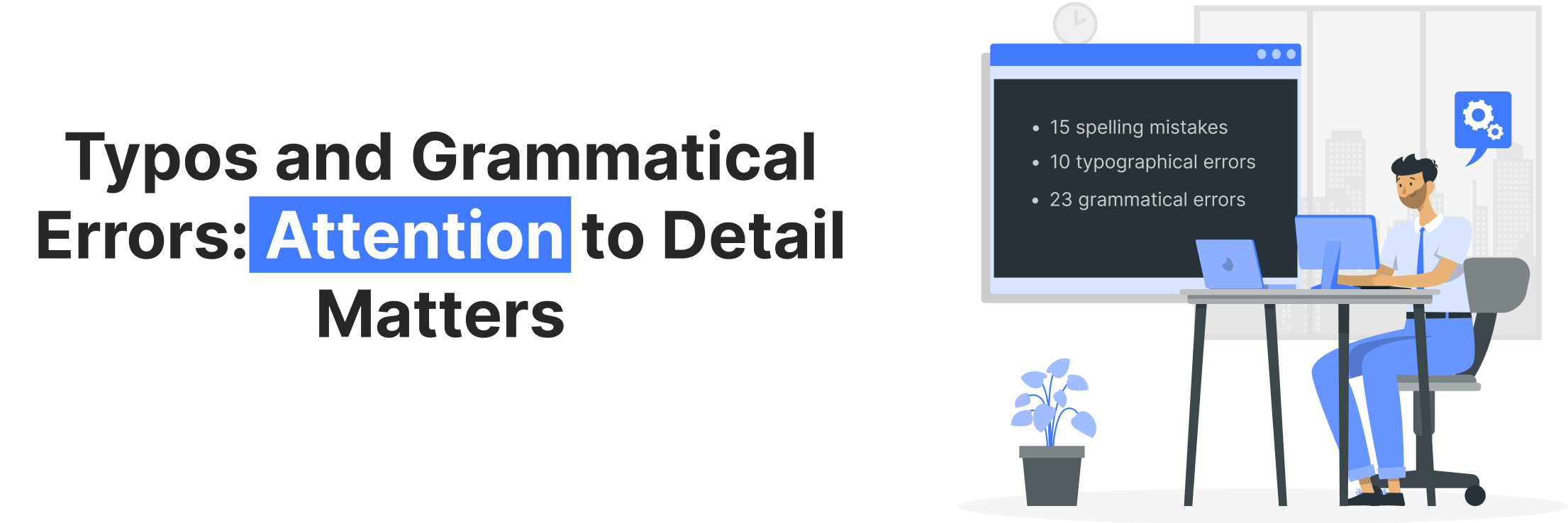
1. Typos and Grammatical Errors: Attention to Detail Matters

What It Is:
Common resume mistakes often include typographical and grammatical errors. Misspelled words, incorrect punctuation, and awkward phrasing can make even the most qualified candidate appear unprofessional.
Why It’s a Problem:
Hiring managers sift through hundreds of resumes. If your resume is full of typos, it may signal carelessness, reducing your chances of landing an interview. Strong resume writing tips emphasize the importance of proofreading to maintain professionalism.
How to Fix It:
- Proofread multiple times.
- Use spell-check, but don’t rely on it entirely.
- Read your resume out loud or have someone else review it.
2. Using an Unprofessional Email Address: First Impressions Count

What It Is:
Keep your email neat and tidy, a quirkiness here, even childishness might harm your image. Well, if your email is something like “cutiepie123” or “rockstar2025,” give them the boot.
Why It’s a Problem:
Your email reflects your professionalism. An unprofessional email can raise concerns about your credibility.
How to Fix It:
A professional email address should be set up with a professional name. Ideally, it should include your first and last names. Gmail and Outlook are two reliable services. Make it simple, straightforward, and avoid extra characters or nicknames.
3. Poor Formatting: Your Resume Should Be Easy to Read


What It Is:
A resume with formatting mistakes can prevent hiring managers from easily finding key information. Following resume formatting tips ensures your resume is clear, professional, and easy to read. Cluttered resumes often have jumbled text, inconsistent fonts, and poor alignment.
Why It’s a Problem:
Hiring managers regularly pass through resumes, and they may miss certifications due to lack of readability on your resume. A cluttered resume impresses upon someone a negative impression of your attention to detail.
How to Fix It:
Keep your font quite basic and professional; Arial, Calibri, and Times New Roman recommended font types with 10-12 pt. Indenting with bullet points to give clarity is essential; spacing between different parts should be given, together with some kind of distinctiveness. Ultimately, it should make things easier to scan.
4.Why a Generic Resume Can Hurt You (And What to Do Instead)
What It Is:
A generic resume is one of the biggest resume mistakes job seekers make. Submitting the same resume for multiple applications without tailoring it to each job posting can cost you opportunities.
Why It’s a Problem:
Employers want to see that you’ve read the job description and understand the role. A generic resume fails to showcase your enthusiasm or qualifications.
How to Fix It:
Customize your resume for each job by:
- Aligning your skills with the job description.
- Modifying your objective/summary to match the specific role.
- Highlighting relevant experiences and achievements.
5. Ignoring Keywords: Why ATS Systems Might Reject You


What It Is:
Another critical resume mistake is failing to use the right keywords. Many companies use Applicant Tracking Systems (ATS) to filter resumes. If your resume doesn’t include the right resume keywords for ATS, it may never reach a human recruiter. Many job seekers overlook job application tips that emphasize keyword optimization to pass ATS scans.
How to Fix It:
- Carefully review the job posting.
- Identify key terms related to skills and qualifications.
- Naturally incorporate them throughout your resume.
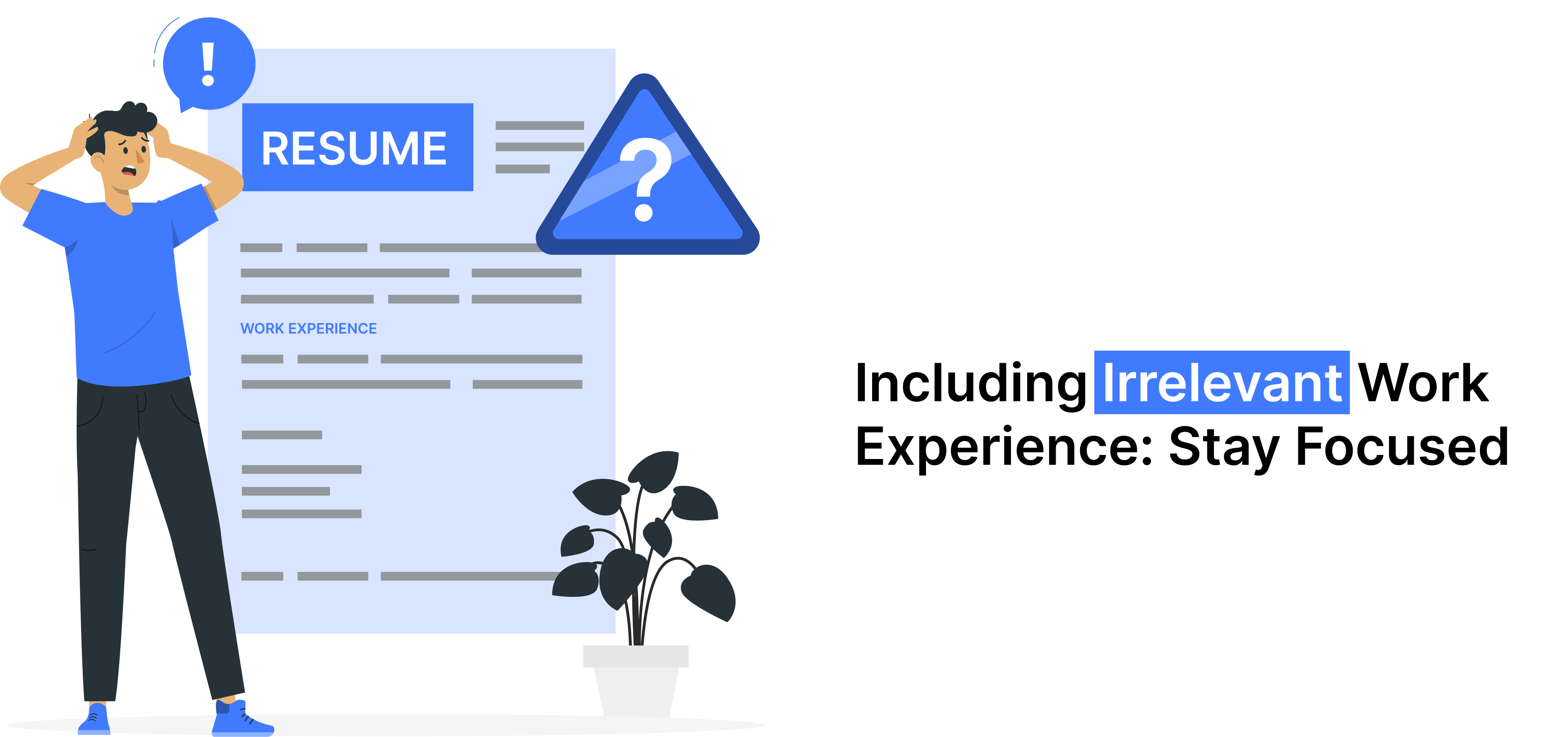
6. Including Irrelevant Work Experience: Stay Focused

What It Is:
Unrelated work experience clutters the resume. The hiring manager will be interested in related positions, demonstrating your qualification for the position available.
Why It’s a Problem:
Irrelevant experience can distract from your core qualifications and make it harder for employers to assess your fit for the job.
How to Fix It:
Emphasize relevant experience. If you have irrelevant jobs, group them under an “Additional Experience” section and briefly mention them. Design your bullet points to highlight skills and accomplishments that match the job description.
7. Neglecting Key Achievements: Showcasing Impact Matters


What It Is:
One of the most overlooked resume mistakes is listing job responsibilities without showcasing achievements. Employers want to see how you added value in your previous roles. One of the best resume writing tips is to focus on measurable accomplishments rather than just listing responsibilities.
How to Fix It:
Use measurable accomplishments instead of vague descriptions. For example:
❌ “Handled customer service inquiries”
✅ “Resolved customer inquiries, improving satisfaction by 20%”
8. Avoid Overused Resume Buzzwords: Show Real Skills Instead

What It Is:
Buzzwords like “dynamic” and “hardworking” sound impressive but lack substance. They don’t provide hiring managers with real insight into your experience or skills.
Why It’s a Problem:
Buzzwords do not distinguish you from other applicants. Without examples, these words make your resume sound generic and unoriginal.
How to Fix It:
Use examples rather than buzzwords. Explain what makes you a team player: “Describe a specific example in which you contributed to a team effort toward the successful achievement of a goal.
9. Making Your Resume Too Long or Too Short
What It Is:
A resume that is too long or too short can hurt your chances. Learning how to improve your resume means finding the right balance to keep it concise yet informative. Achieving a delicate balance is quite important.
Why It’s a Problem:
A long resume may have some unnecessary details, and a short resume might not be able to present all the skills and experience.
How to Fix It:
Keep it to one to two pages in length, depending on your experience. One page is fine for entry-level candidates, and two pages are usually okay for mid-career professionals.
10. Falsifying Information: Honesty Is Always the Best Policy


What It Is:
It is a risky mistake to exaggerate job titles, responsibilities, or achievements in order to appear more qualified. Misrepresentation can lead to severe consequences.
Why It’s a Problem:
Falsifying information is unethical and can lead to immediate disqualification or even the loss of a job offers once the discrepancies are discovered.
How to Fix It:
Be honest about your qualifications. If you lack certain skills, focus on your willingness to learn. Employers value integrity, and honesty works in your favor.
Key Elements of a Perfect Resume
Your resume tells your professional story in a clear and organized way. By including the right elements, you help hiring managers quickly recognize your qualifications.
Key Elements:
- Contact Information: Name, phone number, professional email address, LinkedIn profile, and personal website (if applicable).
- Objective: A concise 2-3 sentence overview of your skills and career goals.
- Skills: Highlight both technical and soft skills relevant to the job.
- Work Experience: Include job titles, company names, dates, and 2-3 bullet points of accomplishments for each role.
- Education: List degrees, institutions, and graduation years. Include certifications if relevant.
- Additional Sections (Optional): Awards, publications, volunteer work, or projects, depending on the job.
Why This is Important:
Hiring managers typically take about 7 seconds to glance over a resume. When your sections are well-organized, it helps them quickly locate the information they need, which can boost your chances of securing an interview.
How to Handle Employment Gaps on Your Resume


Employment gaps are quite common and can be managed effectively if approached the right way. Here are some strategies to address them:
Tips for Addressing Employment Gaps:
- Be Honest: If asked, explain gaps during interviews truthfully, emphasizing any productive activities during that time.
- Focus on Skills: Highlight transferable skills gained during your gap, such as freelance work, volunteering, or online courses.
- Reorganize Your Resume: Use a functional format that focuses on skills rather than chronological work history.
Example Statements:
Instead of leaving gaps blank, write:
“Took a career break to pursue certifications in digital marketing (2022-2023).”
“Managed family responsibilities while completing a coding bootcamp (2022-2024).”
Why This is Important:
Gaps are not necessarily a problem, but tackling them head-on demonstrates professionalism and resilience.
Conclusion: Designing a Resume That Gets You Hired
Your resume is your best tool when applying for jobs. Avoiding common resume formatting mistakes, using the right resume keywords for ATS, and following key job application tips can significantly improve your chances of landing an interview.
By crafting a resume that is tailored, keyword-optimized, and achievement-focused, you increase the likelihood of standing out from other candidates.
Be honest, concise, and professional. By eliminating common resume mistakes, you can create a strong first impression that gets you one step closer to your dream job!
Call-to-Action
Avoid resume mistakes & land your dream job! ✅ Create a winning resume now with expert tips. Start Now 🚀
FAQs
1. How long should my resume be?
Aim for 1-2 pages. One page is sufficient for entry-level or those with less experience. Two pages are okay for mid-career professionals with more to showcase.
2. What’s the best way to handle employment gaps on my resume?
Be honest and upfront. Briefly explain the gap, focusing on skills or experiences gained during that time (e.g., “Completed a coding bootcamp”).
3. Should I use a resume template?
Modern, customizable templates can be helpful, but avoid overly generic ones. Choose a template that lets you showcase your unique qualifications.
4. What font should I use for my resume?
Stick to professional, easy-to-read fonts like Arial, Calibri, or Times New Roman in 10-12pt size. Avoid overly decorative or informal fonts.
5. How do I use keywords effectively on my resume?
Identify keywords from the job description and incorporate them naturally throughout your resume. Avoid keyword stuffing, which can harm readability.