


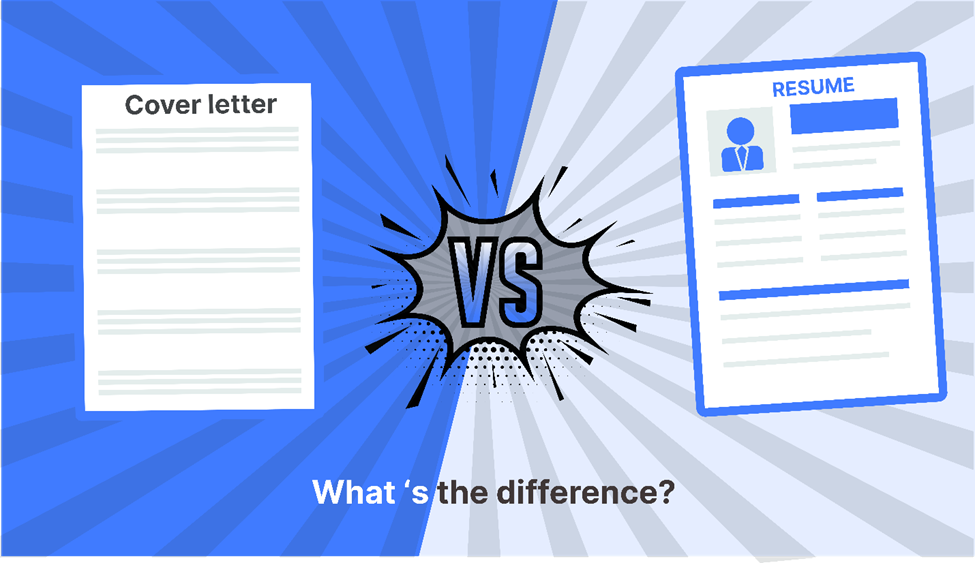
In today’s competitive job market, it is necessary to know how to present yourself in the best light. The cover letter vs resume debate is crucial for job seekers who want to make a strong impression. Both documents highlight a candidate’s skills, qualifications, and experience, but they differ in objectives, format, and content. This detailed guide will explore the key differences, roles, and strategies to create an impressive cover letter vs resume to improve your chances of success.
What is a Cover Letter?
Why a Cover Letter Matters: Purpose & Benefits
The cover letter gives you the first chance to connect with a hiring manager on a personal level. Unlike a resume, which lists your qualifications in bullet points, a cover letter uses a narrative approach to express enthusiasm for the job and highlight relevant experiences. Understanding the cover letter vs resume distinction helps in crafting a document that complements your job application effectively.
Cover Letter Structure & Key Elements

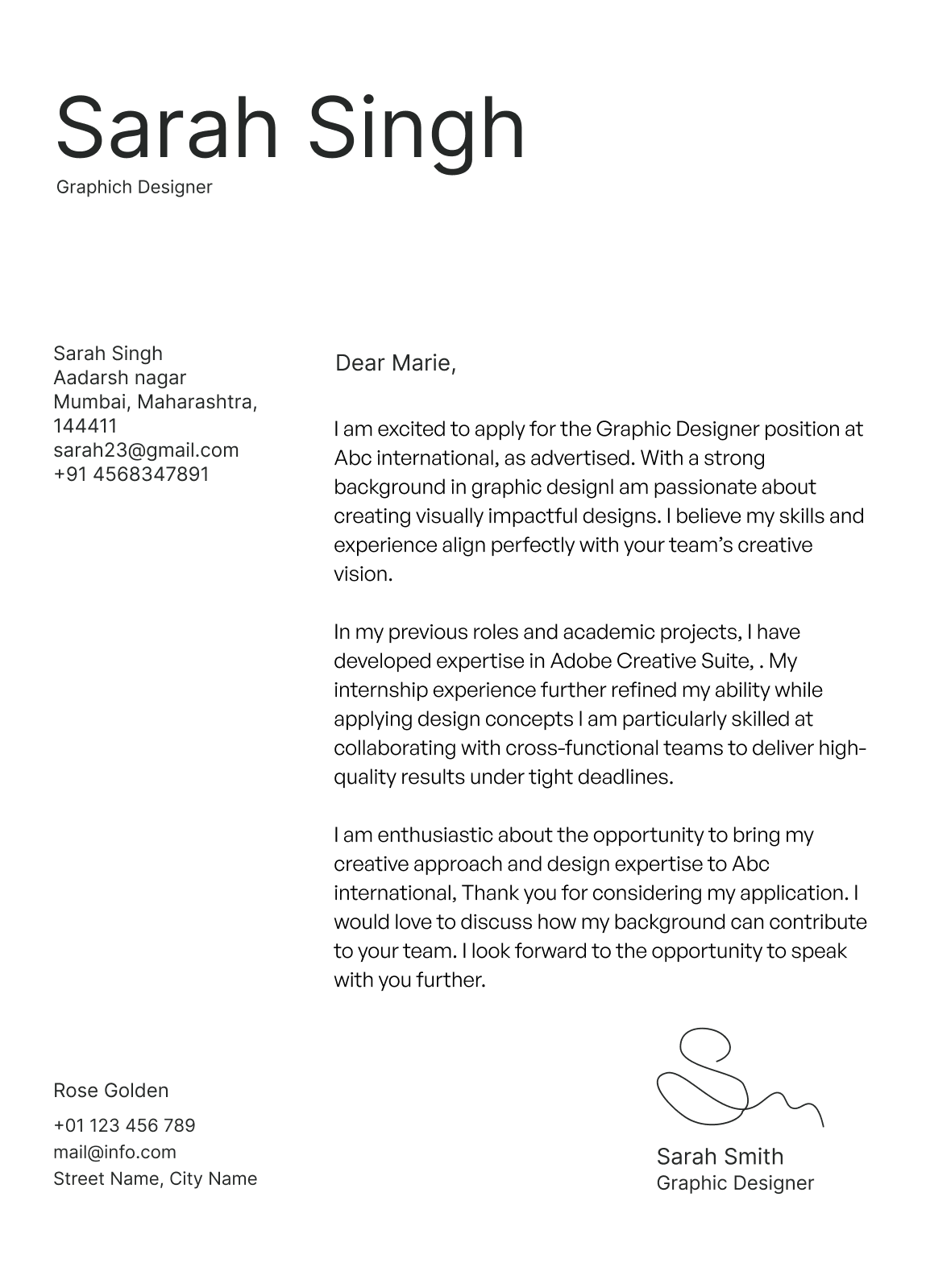
A well-structured cover letter includes the following sections:
- Header: Includes your contact information, the date, and the employer’s contact details.
- Greeting: Addressed to the hiring manager or relevant person. Whenever possible, avoid generic salutations like “To Whom It May Concern.”
- Introduction: A strong opening statement that grabs attention and mentions the position you are applying for.
- Body: One or two paragraphs that elaborate on your relevant experiences, skills, and achievements. This is where you connect your background to the job requirements.
- Closing: A conclusion that reiterates your interest in the position, thanks the reader for their time, and includes a call to action.
How to Format a Cover Letter (with Example)
An important aspect of cover letters is their customization. Each cover letter must be tailored to the specific job and the organization concerned. Pinpoint why your skill set aligns with the job description and what you know about the values and goals of the company. Personalization shows that you did your homework and are genuinely interested in the position.
What is a Resume?
Why a Resume is Essential for Your Job Search
A resume is a structured summary of your education, work history, skills, and accomplishments. Unlike a cover letter, which is more personal and explanatory, a resume presents factual data to persuade employers to schedule an interview. The cover letter vs resume distinction is crucial in job applications as each document serves a unique purpose.
Resume Format and Key Sections
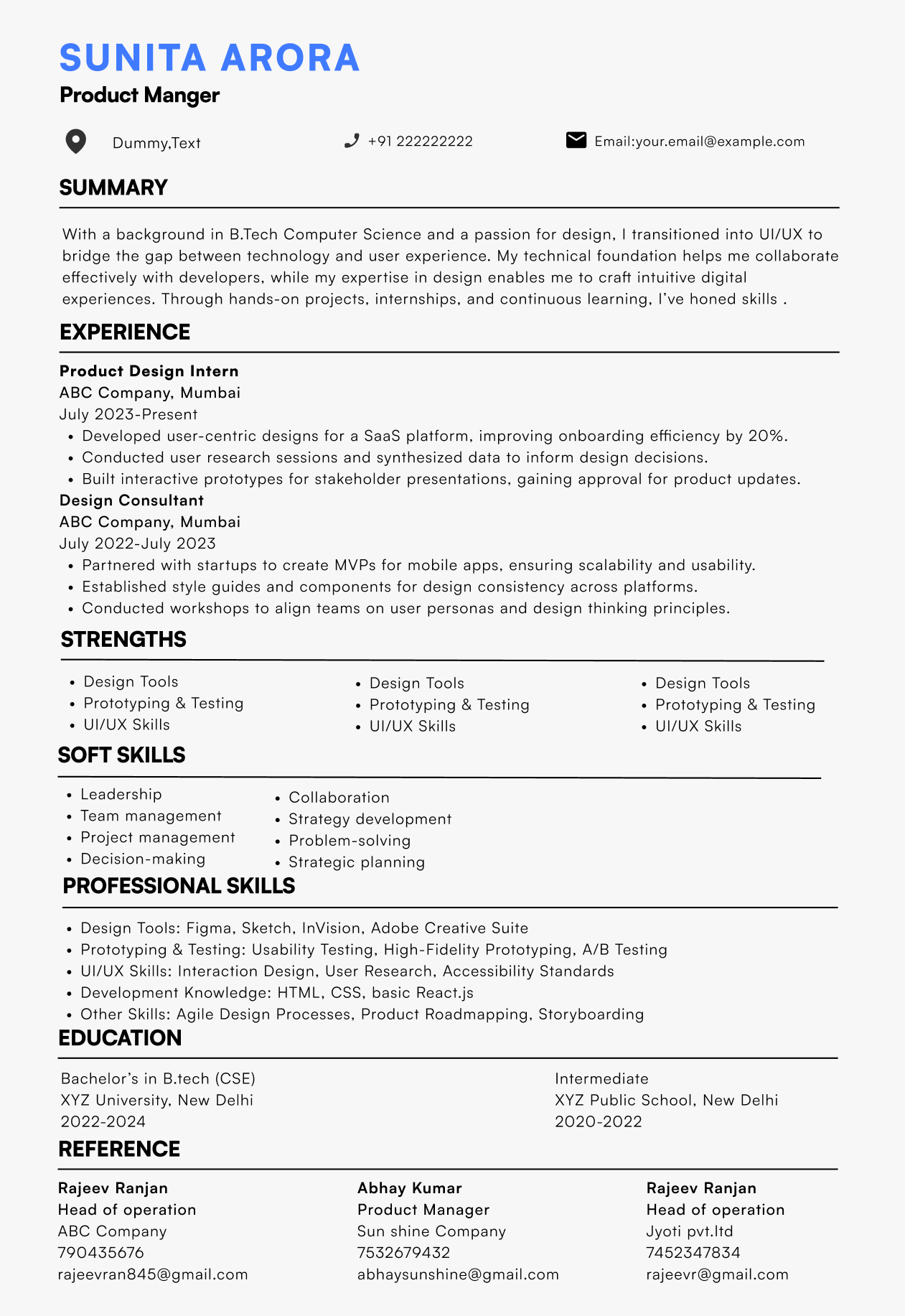
A resume typically includes the following sections:
- Header: Your contact information at the top.
- Professional Summary or Objective: A brief statement outlining your career goals and what you aim to achieve in the new role.
- Work Experience: A detailed list of your previous jobs, including job titles, company names, locations, and dates of employment. Each job entry should include bullet points describing your responsibilities and achievements.
- Education: Details about your academic background, including degrees earned, institutions attended, and graduation dates.
- Skills: A list of relevant skills that showcase your competencies.
- Certifications and Awards: Any additional qualifications or recognitions that are relevant to the job.
Cover Letter vs Resume Formatting Tips for Better Job Opportunities
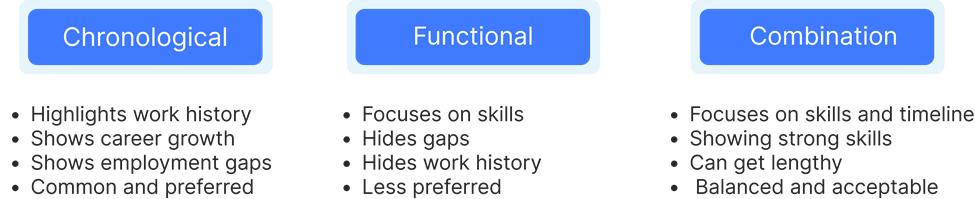
The format of your resume can differ based on your industry and personal style, but there are several common types to consider:
- Chronological Resume: Lists your work experience in reverse chronological order, starting with the most recent job.
- Functional Resume: Focuses on your skills and qualifications rather than your chronological work history.
- Combination Resume: Merges elements of both chronological and functional formats, highlighting your skills while providing a timeline of your work history.
Cover Letter vs. Resume: Format, Length & Content Differences

Format & Length
When comparing a cover letter vs resume, formatting plays a significant role. A cover letter is typically one page, written in paragraphs, whereas a resume is structured with bullet points and can range from one to two pages. The cover letter vs resume distinction helps candidates decide how to present information effectively.
Content & Focus
A cover letter vs resume comparison shows that a cover letter is more personal and persuasive, explaining why you are interested in a position. In contrast, a resume is factual, listing qualifications and experiences. While a resume proves your capabilities, a cover letter showcases your motivation and enthusiasm.

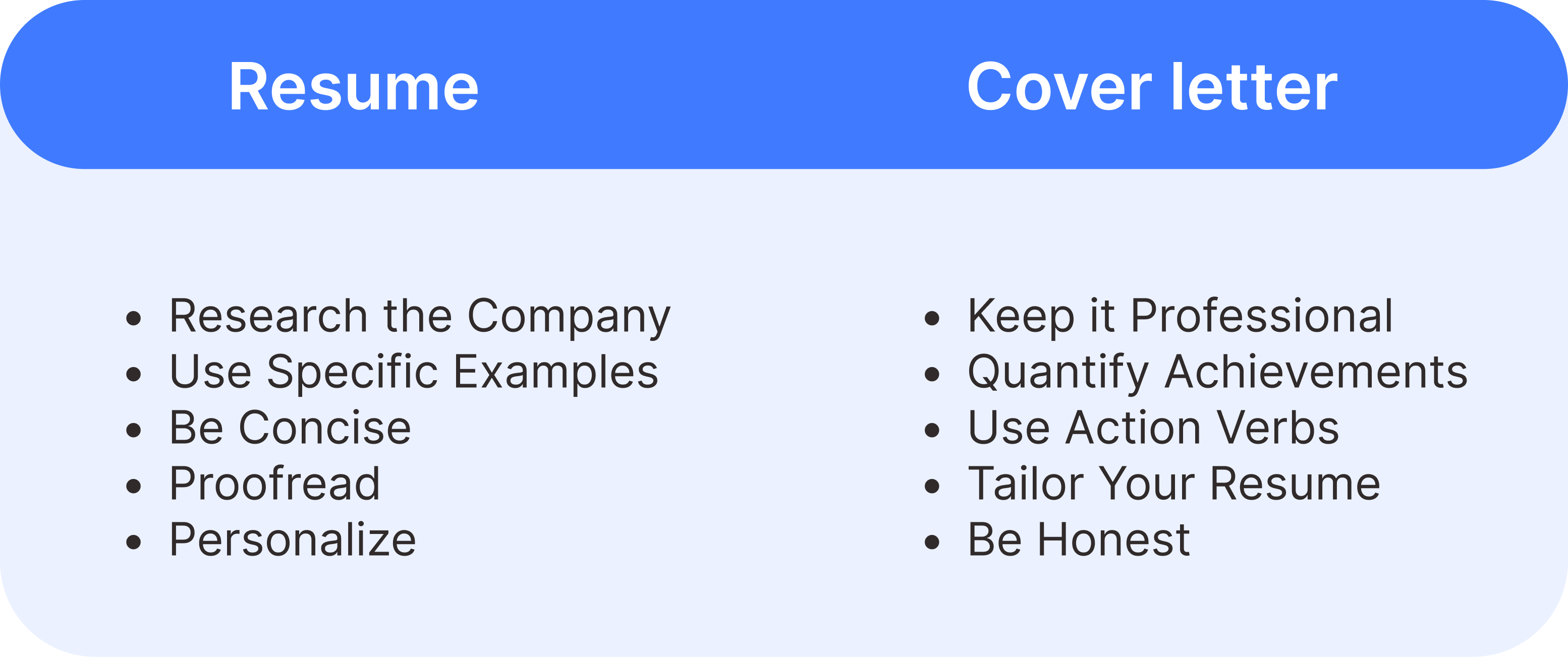
How to Write a Winning Cover Letter and Resume
Cover Letter Writing Tips
- Research the Company: Show that you understand the company’s mission, values, and goals.
- Use Specific Examples: Highlight specific instances where your skills made a difference.
- Be Concise: Avoid long-winded explanations; stick to the point.
- Proofread: Ensure there are no grammatical errors or typos.
- Personalize: Customize each cover letter for the job you’re applying for.
Resume Writing Tips
- Keep it Professional: Use a clean, professional format with a readable font.
- Quantify Achievements: Use numbers to highlight your accomplishments (e.g., “Increased sales by 20%”).
- Use Action Verbs: Start each bullet point with a strong action verb (e.g., “Managed,” “Developed”).
- Tailor Your Resume: Customize your resume for each job application.
- Be Honest: Never exaggerate or lie about your experiences.
Cover Letter vs Resume: Common Mistakes to Avoid
Cover Letter Mistakes
- Being Too Generic: Avoid generic phrases and tailor your letter to the job.
- Repeating Your Resume: Don’t just repeat what’s on your resume. Add new information.
- Ignoring the Company’s Needs: Focus on what you can do for the company, not just what you want.
- Overly Formal or Informal Tone: Strike the right balance in your tone.
Resume Mistakes
- Cluttered Layout: A cluttered resume can be off-putting. Keep it organized.
- Irrelevant Information: Stick to relevant work experience and skills.
- Long Descriptions: Be concise and to the point.
- Neglecting Keywords: Use keywords from the job description to pass through Applicant Tracking Systems (ATS).
How Technology Impacts Job Applications & Hiring
Applicant Tracking Systems (ATS)
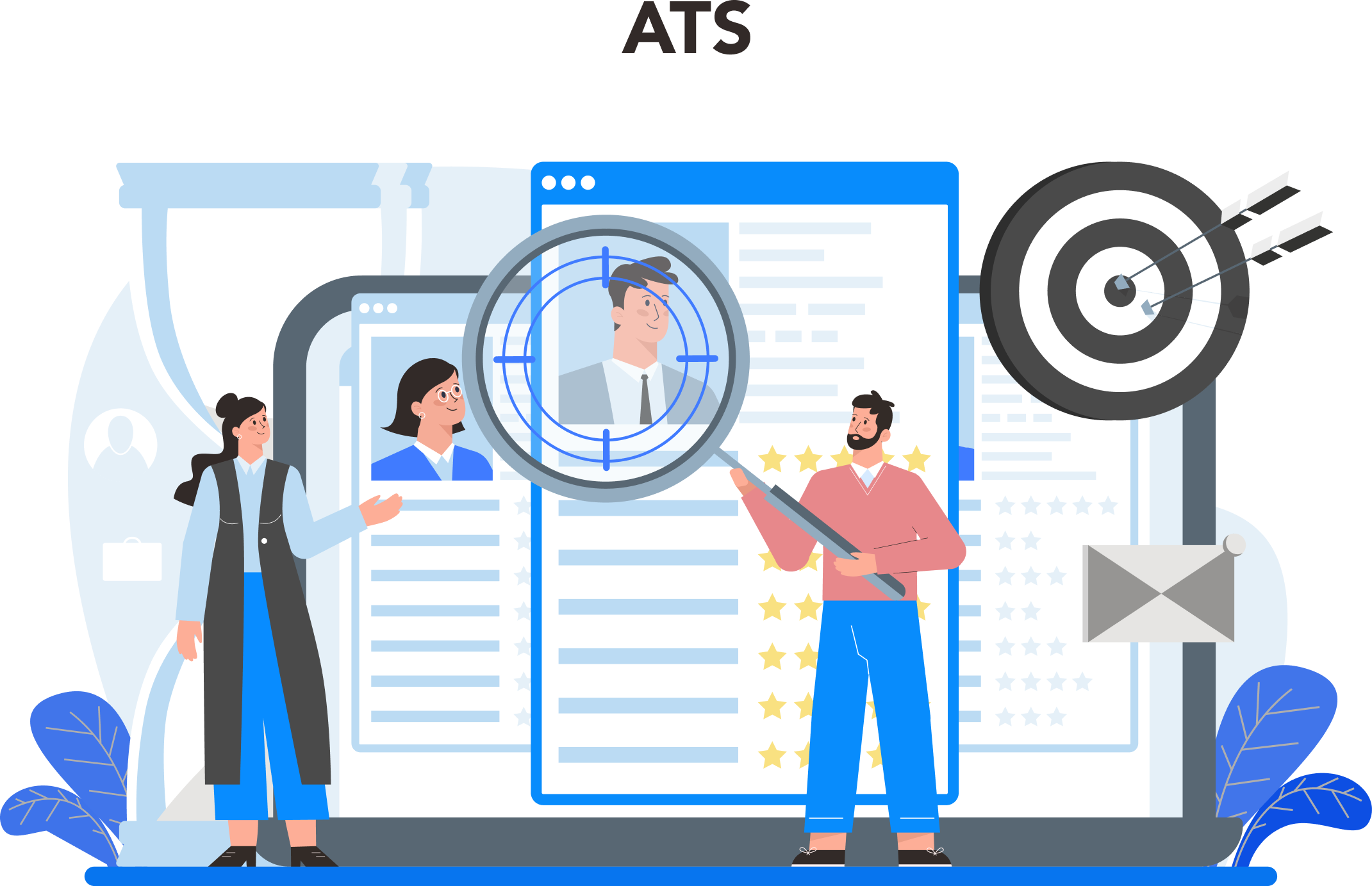
Many companies use ATS for sorting and evaluating the applications received for employment. Such systems scan resumes for keywords that are matched to a job description. To increase your chance at getting past the ATS, use relevant keywords and make sure your resume’s format is clear and simple to read.
Online Job Portals
Job portals include LinkedIn, Indeed, and Glassdoor that make it easier for job seekers to apply for jobs. These systems allow uploading resumes and cover letters in one go and sometimes even create opportunities for networking and updates about job posts.

Personal Branding
How to Build a Strong Online Presence for Job Hunting
LinkedIn is a great place to showcase your professional accomplishments, meet others in your field, and find jobs. With a good profile in hand, you can augment your resume and cover letter into a complete package that displays your professional self.
Consistency Across Documents
Your brief description in the cover letter, resume, and online profiles should fit nicely without any discrepancy. Otherwise, it would give the potential employers a chance to keep second guessing. Emphasize that the tone, style, and core messages of them should remain consistent across all platforms to build a strong personal brand.
When to Use a Cover Letter vs. a Resume
Job Application Requirements
Some job postings expressly ask for both a cover letter and a resume, while others might require a single cover letter or resume. Follow the instructions in the job posting. If the cover letter is optional, consider adding one anyway, as it provides further insights into your reasons for applying and can convey enthusiasm for the role.
Networking Opportunities
Your cover letter allows you to personally introduce yourself to an employer or networking contact. It allows you to add context as to why you want to meet with them and forms a stronger connection. On the other hand, a resume is best for briefly stating your qualifications at networking events or job fairs.
How to Write a Cover Letter That Stands Out
Research and Preparation
Before you begin writing your cover letter, take some time to research the company and the specific position you’re interested in. Familiarize yourself with the company’s mission, culture, and any recent accomplishments. This understanding will enable you to customize your cover letter in a way that connects with the hiring manager.
Showcasing Your Value
In the body of your cover letter, emphasize how your experiences match the job requirements. Provide specific examples to showcase your skills and achievements. For example, if the position calls for leadership skills, describe a project where you effectively led a team to reach an important objective.
Demonstrating Enthusiasm
Convey your excitement about the opportunity and your enthusiasm for contributing to the company’s success. Explain why you are passionate about the role and how it aligns with your career aspirations. Enthusiasm can be contagious and leave a positive impression on the hiring manager.
How to Make Your Resume Stand Out to Employers
Tailoring to the Job Description
Make sure to customize your resume for every job application by emphasizing the experiences and skills that are most relevant. Incorporate keywords from the job description to ensure your resume matches the requirements. This approach not only boosts your chances of getting through ATS but also demonstrates to the hiring manager that you’ve put in the effort to personalize your application.
Highlighting Achievements
Instead of merely outlining your responsibilities, emphasize your accomplishments in each position. Incorporate measurable metrics to showcase your influence. For instance, rather than stating “Managed a team,” you could say “Led a team of 10 employees, which resulted in a 15% boost in productivity.”
Keeping It Concise
While it’s essential to include sufficient details to highlight your qualifications, steer clear of lengthy descriptions. Keep it concise and focused. Employers usually spend just a few seconds reviewing each resume, so ensure that your key achievements and skills are prominent.
Final Thoughts: Mastering the Cover Letter & Resume
The cover letter vs resume debate highlights how both documents serve unique but complementary roles in job applications. A resume provides structured details about your qualifications, while a cover letter adds a personal touch, making your application more compelling.
Customizing your cover letter vs resume for each job improves your chances of standing out in a competitive job market. By following these strategies, you’ll enhance your job application and increase the likelihood of landing your dream role.
Call-to-Action
Want a job-winning resume & cover letter? Create a professional, ATS-friendly resume in minutes with lookingforresume. Start now!
FAQs
1. What is the key difference between a cover letter and a resume?
A cover letter is a personalized document that explains why you’re the right fit for a job, while a resume is a structured summary of your skills, experience, and education.
2. Should I submit a cover letter with my resume?
Yes! A cover letter adds value by showcasing your enthusiasm and highlighting key achievements, increasing your chances of getting noticed by employers.
3. How long should a cover letter and resume be?
A cover letter should be one page, while a resume should be one to two pages, depending on your experience.
4. What are the most important sections in a resume?
A strong resume includes: Contact Information, Professional Summary, Work Experience, Skills, Education & Certifications
5. How do I make my resume ATS-friendly?
Use job-relevant keywords, a clean format, and avoid excessive CoverLetterWriting graphics to ensure your resume passes Applicant Tracking Systems (ATS).